Home 3D Layer SVG: A Versatile Tool for Creative Projects
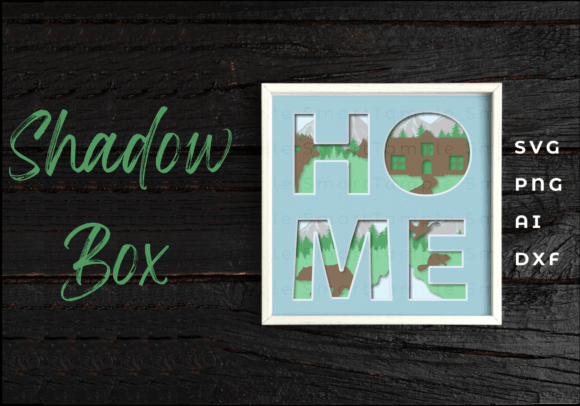
Home 3D Layer SVG is a digital design format that empowers crafters, DIY enthusiasts, and professionals to bring intricate three-dimensional shapes into their creative work. Specifically tailored for use with cutting machines like Silhouette, Cricut, Cameo, and more, it allows users to cut multiple layers of materials with precision. The design is typically delivered in a ZIP archive containing various file types such as SVG, AI, PNG, and DXF, making it compatible with a wide range of software and devices.
Understanding the Home 3D Layer SVG Concept
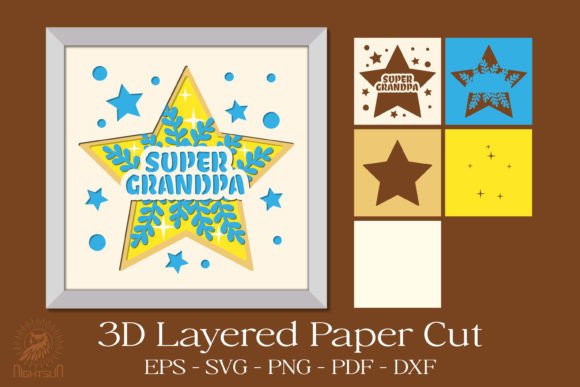
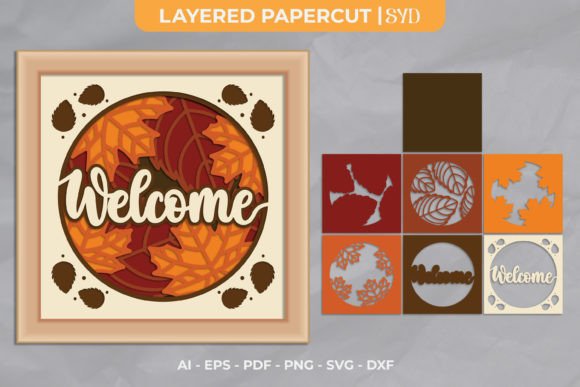
A 3D layer SVG is essentially a layered vector model designed for paper crafting or other material-based projects. Each layer represents a part of the final 3D structure, which can be assembled manually after being cut out. This method eliminates the need for complex 3D modeling software and makes it easier to create depth and dimension using simple tools and techniques.
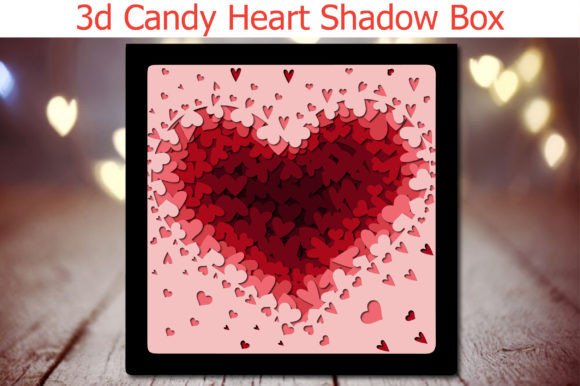
These designs are especially popular among those who enjoy creating decorative items, home décor, and personalized gifts. With Home 3D Layer SVG files, you can produce stunning shadow boxes, wall art, greeting cards, and more by following step-by-step assembly instructions.
Common Challenges and Goals in Crafting
Many hobbyists and small business owners face similar challenges when working on custom projects. These include:
- Limited access to advanced 3D modeling tools
- Difficulty achieving consistent, professional results with standard templates
- Time-consuming manual design and layout processes
- The need for scalable and adaptable designs across different materials and sizes
Whether you're looking to streamline your workflow, improve the quality of your output, or expand your product line, finding an efficient and reliable solution is key. That’s where Home 3D Layer SVG comes into play — offering a structured approach to creating layered 3D models without requiring technical expertise in 3D design software.
How Home 3D Layer SVG Addresses These Needs
By providing pre-designed layered SVGs, this resource simplifies the process of producing detailed 3D objects. You don’t need to start from scratch; instead, you can download a ready-to-use file and customize it according to your needs. This not only saves time but also ensures accuracy in each layer's alignment and cut.
Users benefit from the flexibility of these designs, which can be adapted to different dimensions and modified to suit personal preferences. For example, if you’re designing a custom greeting card with a raised house illustration, you can scale the Home 3D Layer SVG to fit the size of your card while maintaining the structural integrity of the layers.
Practical Applications of Home 3D Layer SVG
Home 3D Layer SVG finds its place in numerous creative fields. Here are some common uses:
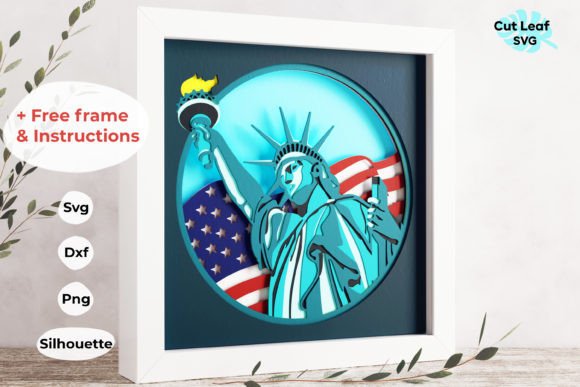
- Decorative Shadow Boxes: Ideal for showcasing photos, memorabilia, or holiday themes. The layered SVG helps build a realistic 3D effect that enhances visual appeal.
- Wall Art and Ornaments: Perfect for laser-cutting or CNC machining. The layered design enables the creation of intricate scenes that look impressive when assembled and displayed.
- Custom Greeting Cards: Add a pop-up or 3D element to your cards using precise SVG layers that align perfectly when folded.
- Gift Baskets and Packaging: Use the layered SVG to make unique gift box decorations or embellishments that stand out.
- Event Decorations: Create themed centerpieces, signage, or displays for weddings, birthdays, or corporate events.
These applications highlight how versatile the Home 3D Layer SVG can be. Whether you're an experienced crafter or just starting out, it provides a foundation for turning two-dimensional ideas into tangible, eye-catching creations.
Materials You Can Use with Home 3D Layer SVG
One of the advantages of working with Home 3D Layer SVG is the variety of materials it supports. Since the design is optimized for cutting machines, it works well with:
- Cardboard: Great for lightweight and cost-effective projects. It's easy to cut and assemble.
- Paper: Ideal for cards and paper crafts. Choose thick cardstock for sturdier builds.
- Plastic: Suitable for durable, reusable items. Thinner plastic sheets can be used for semi-transparent effects.
- Metal: For industrial-style designs or more robust structures. Requires proper machine settings and safety precautions.
- Plywood, Wood, and MDF: Excellent for home décor and furniture accents. Offers a clean finish and strong structure.
Each material brings a different aesthetic and durability level to the project. When selecting a material, consider the intended use, display location, and the desired visual impact. For instance, wood may be best suited for a mantel piece or wall hanging, while paper or cardboard might be better for temporary displays or cards.
Examples of Real-World Uses
Let’s take a closer look at how Home 3D Layer SVG can be implemented in real-life scenarios:
Example 1: Custom Wedding Centerpiece
A wedding planner wants to create a unique 3D centerpiece featuring a house illustration for a rustic-themed event. Using the Home 3D Layer SVG, they can import the design into their cutting software, adjust the size, and export the layers for laser cutting on birch plywood. After assembling the pieces, they add LED lights and floral arrangements to complete the look. The result is a one-of-a-kind decoration that complements the venue and impresses guests.
Example 2: Personalized Gift Box for a New Home
A boutique owner decides to launch a new line of personalized gift boxes for housewarming events. They purchase a Home 3D Layer SVG of a house and modify the design to reflect local architecture. By using high-quality cardstock and a Silhouette Cameo machine, they mass-produce the components efficiently. Customers love the customizable options, and the shop sees a significant increase in sales during peak seasons.
Example 3: Educational Craft Kit for Kids
An educator creates a DIY kit for students to learn about architecture and spatial design. The Home 3D Layer SVG of a house is printed on colored paper and included in the kit along with glue and instructions. Students enjoy assembling the pieces, learning about symmetry and structure while engaging in hands-on creativity.
Recommendations for Getting Started
If you're new to using layered SVGs for 3D projects, here are some tips to help you begin:
- Start with a basic design to understand how layers interact and assemble.
- Test the design on a scrap material before committing to the final one.
- Ensure your cutting machine is properly calibrated for the material thickness.
- Use clear labels or color-coding for each layer to avoid confusion during assembly.
- Follow the provided instructions carefully, especially for complex structures.
Investing in a few quality cutting tools and practicing with different materials will enhance your ability to work with Home 3D Layer SVG effectively. Additionally, joining online crafting communities can provide valuable feedback and inspiration for future projects.
Considerations for Different Users
Depending on your experience level and goals, there are different ways to approach the use of Home 3D Layer SVG:
- Craft Enthusiasts: Focus on customization and aesthetics. Experiment with colors, textures, and embellishments to make each project unique.
- Business Owners: Prioritize efficiency and scalability. Look for SVG files that allow batch production and quick assembly to meet customer demand.
- Educators and Teachers: Emphasize simplicity and educational value. Choose designs that are easy to follow and incorporate lessons on geometry, art, or architecture.
- Interior Designers: Opt for larger-scale projects using durable materials like MDF or acrylic. Use these elements as accent pieces or room dividers for added visual interest.
Regardless of your background, the Home 3D Layer SVG serves as a powerful tool to elevate your creative output. Its adaptability and ease of use make it suitable for both personal and commercial applications.
Why Choose Home 3D Layer SVG?
There are several reasons why Home 3D Layer SVG is becoming a go-to choice for many creators:
- Time Efficiency: Skip the design phase and jump straight into customization and production.
- Consistency: Each layer is precisely aligned, ensuring a clean and professional finish every time.
- Cost-Effective: Avoid expensive 3D printing services by using accessible cutting machines and affordable materials.
- Scalability: Easily resize the design to fit any space or application without losing detail.
- Flexibility: Compatible with various software platforms and cutting machines, giving you control over the entire process.
With these benefits in mind, it’s no wonder that more people are incorporating Home 3D Layer SVG into their workflows. It bridges the gap between traditional crafting and modern digital design, allowing for endless possibilities in creativity and functionality.
Final Thoughts on Implementation
Integrating Home 3D Layer SVG into your crafting routine can significantly enhance your productivity and the quality of your finished products. Whether you're building a shadow box for a loved one or preparing bulk orders for a store, this format offers a reliable and inspiring way to achieve dimensional results without the need for advanced equipment.
Remember to choose the right materials based on your project requirements, and always test your cuts before moving forward with the final build. As you become more comfortable with the process, you'll find yourself exploring new themes and styles, limited only by your imagination.
In summary, Home 3D Layer SVG is more than just a file type — it’s a gateway to bringing your artistic visions to life with clarity, precision, and ease. Start experimenting today and discover how this innovative format can transform your next project.