3D Daisy Flower Neon Light Wind Spinner: A Versatile Addition to Creative and Decorative Workflows
Wind spinners have long been a popular choice for garden decor, offering both visual appeal and the soothing sound of movement in the breeze. The 3D Daisy Flower Neon Light Wind Spinner takes this concept to the next level by combining vibrant neon lighting with intricate 3D design elements. This unique product not only enhances outdoor aesthetics but also opens up new possibilities for personalization through sublimation printing. Whether you're an artist, hobbyist, or entrepreneur looking to add value to your creative projects, understanding how to integrate this item into your workflow can be both practical and rewarding.
Understanding the 3D Daisy Flower Neon Light Wind Spinner
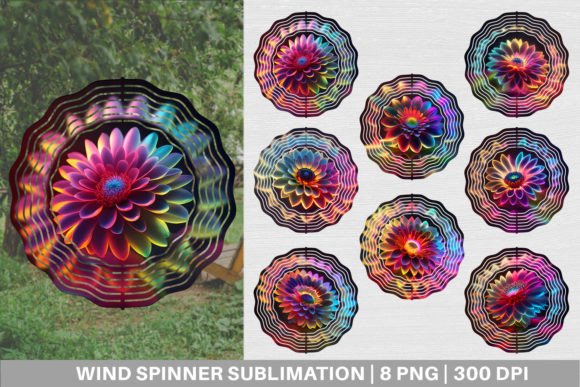
The 3D Daisy Flower Neon Light Wind Spinner is a decorative wind spinner that features a three-dimensional daisy motif enhanced with glowing neon accents. It's designed to catch the wind and rotate gracefully, creating a mesmerizing display that combines motion, light, and artistry. The inclusion of neon lighting allows it to stand out even in low-light conditions, making it ideal for evening gardens, patios, or as part of a larger lighting installation.
At its core, this wind spinner serves as a canvas for customization. The provided specifications include high-resolution PNG files (3000 x 3000 pixels at 300 PPI DPI), which are essential for sublimation printing. These digital assets allow users to apply their own designs, logos, text, or graphics seamlessly onto the metal surface of the spinner. The result is a personalized piece that reflects individual style or brand identity.
Where It Fits in the Broader Process
Integrating the 3D Daisy Flower Neon Light Wind Spinner into your creative process begins with recognizing its role as a customizable asset. For creators who work with sublimation design, it functions similarly to other sublimation-compatible products like tumblers, mugs, or apparel. However, unlike these items, the wind spinner offers a dynamic, kinetic element that adds depth and interactivity to your final output.
This product is particularly useful in several stages:
- Pre-Production Planning: Use the template and specifications to plan your design layout before purchasing materials. This helps ensure compatibility and accuracy when resizing and cutting artwork.
- Durant Design Execution: The high-quality PNG files make it easy to incorporate complex shapes and gradients. Designers can experiment with color schemes, typography, and imagery while maintaining crisp edges and clarity.
- Post-Project Enhancement: After completing a project, adding a wind spinner can serve as a finishing touch. For example, it could complement a themed garden, provide branding visibility on a commercial property, or simply add charm to a backyard space.
Workflow Integration for Personalized Creations
To effectively use the 3D Daisy Flower Neon Light Wind Spinner within your workflow, consider the following steps:
- Select a Design Platform: Choose software compatible with high-resolution image editing such as Adobe Photoshop, Illustrator, or free tools like GIMP or Canva. Ensure your platform supports layers, transparency, and precise scaling.
- Resize and Align: Open the PNG files provided and resize them according to the manufacturer’s template guidelines. Pay close attention to pixel dimensions and aspect ratios to avoid distortion during printing.
- Customize with Text or Graphics: Add your own branding, quotes, or artistic elements using vector-based fonts or images. Make sure all text is legible and positioned where it won’t interfere with functional parts of the spinner.
- Print and Apply: Print the design onto sublimation paper using a high-quality printer. Carefully transfer the printed design onto the metal surface using heat press settings recommended for the material type. Allow time for the ink to cure properly for lasting results.
- Assemble and Install: Once the sublimated pieces are ready, follow the manufacturer's assembly instructions to create the finished wind spinner. Consider placement options—locations with consistent airflow will maximize movement and visual impact.
By treating the wind spinner as part of your broader design and production workflow, you can streamline the creation process and maintain consistency across multiple projects. This is especially valuable for small businesses or Etsy sellers who want to offer unique, handcrafted items to their customers.
Practical Tips for High-Quality Results
Creating a stunning 3D Daisy Flower Neon Light Wind Spinner requires more than just applying any design. Here are some key considerations to ensure the best possible outcome:
- Design Compatibility: Always check the file size and resolution (3000 x 3000 pixels, 300 PPI) to confirm that your artwork will print clearly. Low-resolution images may appear blurry after sublimation.
- Color Contrast: Since the background has a neon aesthetic, consider using complementary colors for added visibility. Darker hues often pop against bright neon tones.
- Text Readability: If including text, keep font sizes large enough to remain legible when viewed from a distance. Avoid overly ornate fonts that might become distorted after heat application.
- Test Prints: Before committing to a full batch, test your design on a small section of the wind spinner to evaluate how it looks under real-world conditions.
- Organization: Keep your design templates and assets well-organized. Labeling each version of your design can help prevent errors during mass production or client orders.
Use Cases Across Industries and Interests
The versatility of the 3D Daisy Flower Neon Light Wind Spinner makes it suitable for a wide range of applications. Here are some examples of how different professionals and hobbyists might use it:
For Entrepreneurs and Small Businesses
Business owners can leverage this product as a branded gift or promotional item. For instance, a boutique selling home décor might create a limited edition wind spinner featuring their logo and signature colors. These custom items can then be used as giveaways, sold in-store, or listed online with targeted descriptions highlighting the neon and 3D aspects.
For Artists and Makers
Artists can explore abstract or thematic designs, integrating the neon aesthetic into their broader portfolio. By experimenting with different color palettes and patterns, they can produce a series of unique pieces that reflect seasonal themes or personal artistic expression. These can be displayed in galleries or sold through craft fairs and online marketplaces.
For Educators and Workshops
Teachers and workshop leaders might introduce the wind spinner as a hands-on project for students learning about design principles, color theory, or manufacturing processes. It provides a tangible way to demonstrate how digital artwork translates into physical products, emphasizing the importance of precision and planning in creative execution.
For Garden Enthusiasts and Homeowners
Garden lovers can enhance their outdoor spaces with these wind spinners as centerpieces or accents. They’re perfect for adding a whimsical or modern touch to flower beds, fences, or hanging installations. With the ability to customize, individuals can match the spinner to their garden’s theme or color scheme, ensuring a cohesive look.
Long-Term Use and Maintenance
While the initial design and application process is crucial, long-term usability should also be considered. The metal components of the wind spinner are typically weather-resistant, but exposure to harsh elements over time can affect performance. To preserve quality:
- Store indoors during extreme weather if possible.
- Clean regularly with a soft cloth and mild soap to remove dirt and debris.
- Avoid abrasive cleaners that might damage the sublimated finish.
- Inspect for rust or wear annually and reapply protective coatings if necessary.
These maintenance tips ensure that your personalized wind spinner remains a vibrant and functional part of your environment for years to come.
Combining with Other Tools and Resources
For those already working with sublimation printers, heat presses, and design software, the 3D Daisy Flower Neon Light Wind Spinner integrates smoothly into existing workflows. You can pair it with:
- Design Collaboration Tools: Share templates and mockups with clients or team members via platforms like Google Drive, Dropbox, or Figma for feedback and approval.
- Inventory Management Systems: Track completed units and available stock using spreadsheets or specialized inventory apps like Trello or Airtable.
- Sales Platforms: List finished wind spinners on Shopify, Etsy, or Amazon Handmade, using SEO-friendly titles and descriptions that highlight the neon and 3D aspects.
- Customer Relationship Management (CRM): Maintain a record of custom orders and preferences to streamline repeat business or special requests.
When combined with these tools, the wind spinner becomes part of a larger ecosystem of creativity and commerce, allowing for efficient production and marketing.
Observations and Best Practices
Several observations can help optimize your experience with the 3D Daisy Flower Neon Light Wind Spinner:
- Sublimation works best with white or light-colored backgrounds. The neon effect may vary depending on the base color of the spinner.
- Always preheat your heat press to ensure even temperature distribution across the entire surface of the spinner.
- Consider the weight and balance of the design. Heavier graphics might affect the spinner’s movement, so aim for a balanced approach in placement and material usage.
- Document your workflow with photos or videos. This is helpful for refining techniques and providing tutorials for others or clients.
These insights help ensure that your custom wind spinner is not only visually appealing but also functional and durable.
Conclusion
The 3D Daisy Flower Neon Light Wind Spinner is a versatile tool that bridges the gap between digital design and physical craftsmanship. Whether you're enhancing a garden, launching a product line, or exploring creative expression, this item can be a meaningful addition to your projects. By understanding its specifications, integrating it into your workflow, and maintaining it properly, you can enjoy long-lasting results that reflect your personal style or professional brand.